
Aviation
5 minute read
How Neste and All Nippon Airways pioneer lower-climate-impact air travel in the Asia-Pacific region
All Nippon Airways (ANA) is at the forefront of addressing the climate impact of the aviation industry, setting new standards for progress. With ambitious emission reduction goals and a pioneering spirit, ANA partnered with Neste to support the industry-wide goal of mitigating its climate impact. Discover how ANA sets an example in the Asia-Pacific region, inspiring others to follow suit.
In this article:
With pioneering effort, All Nippon Airways (ANA) took groundbreaking steps in addressing the climate impact of aviation industry, paving the way for others to follow along
Sustainable aviation fuel (SAF) is readily available and can help in reducing the carbon footprint of aviation, which ANA is a strong advocate for
The powerful partnership between ANA and Neste helps to shape the future of a lower climate impact air travel in the Asia-Pacific region
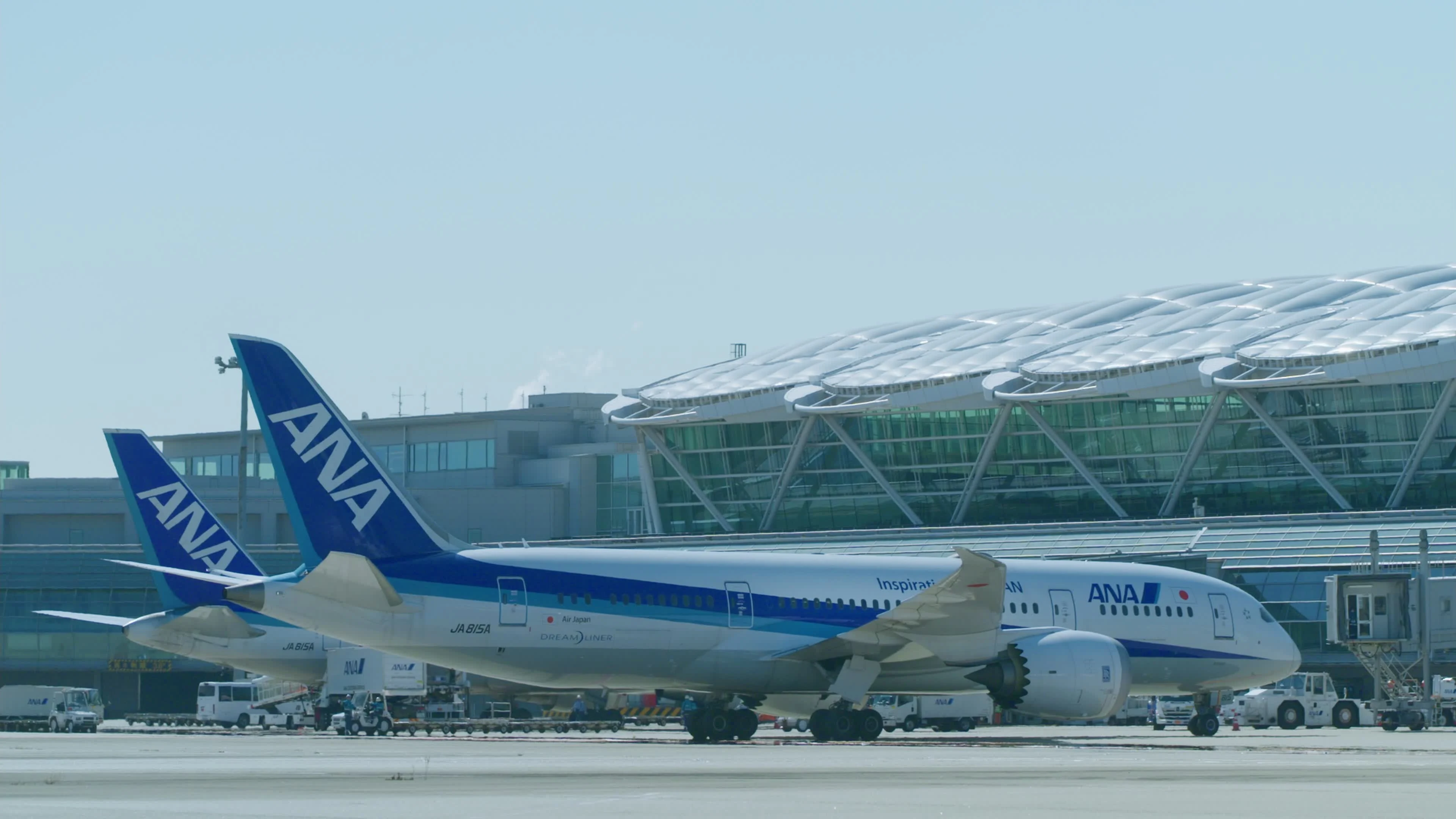
All Nippon Airways (ANA) is a prominent advocate for addressing its climate impact, which lies at the core of its vision and operations. Since its founding in 1952, ANA has been delivering more than just flight tickets; it has consistently driven innovation in the aviation industry. ANA aims for net-zero carbon emissions by 2050, and a key component of this target is replacing conventional jet fuel with sustainable aviation fuel (SAF). In 2020, ANA made headlines by launching Japan's first SAF-powered cargo flight, demonstrating its commitment to mitigate the climate impact* of aviation. This pioneering effort set a precedent in the industry, showcasing the airline’s proactive approach long before local mandates or targets were established.
ANA's goal of achieving 10% SAF usage by 2030 is not just a target but an inspiration for the entire region. According to Kohei Yoshikawa, Senior Director of Decarbonization at ANA Group, the role of SAF is essential, as it is already widely available and suitable for existing aircraft engines and fueling infrastructure. This is also highlighted by Alexander Kueper, Vice President of Renewable Aviation Business at Neste “By 2050, 65% of reductions in GHG emissions will come from SAF”, as stated in the International Air Transport Association’s (IATA) Net Zero Roadmaps.
As the world strives to keep global warming limited to 1.5°C as agreed in the Paris Agreement, efforts to mitigate the climate impact are seen as a top priority by the aviation industry. The aviation industry serves the important purpose of connecting people, economies and delivering goods to where they are needed. “In order for the airline industry to continue to fulfill this important role and contribute to the world’s prosperity in the future, it is necessary to take a serious look at climate change as a global issue and implement effective measures to address it.”, Yoshikawa states.
ANA's commitment to address the climate impact of aviation and the role of SAF
In 1952, ANA began operations with two helicopters, becoming Japan's first purely private airline. This pioneering spirit is also reflected in ANA's approach to progress. In 2011, ANA was the first in the world to commercially operate the fuel-efficient Boeing 787, and in 2020, the company partnered with Neste to become the first airline in Asia to use SAF on scheduled flights.
"I believe that ANA’s pioneering spirit is reflected in the fact that it does not just follow others in taking on unknown challenges, but takes the lead in pioneering the way forward," says Yoshikawa. This leadership is further demonstrated by ANA's pledge to meet 10% of its jet fuel needs with SAF by 2030. This goal is a milestone in ANA's broader aim of achieving zero CO2 emissions by 2050, emphasizing the importance of sustainable aviation fuels for aircraft operations.
ANA began considering the full-scale introduction of SAF around 2016 when the International Civil Aviation Organization (ICAO) adopted CORSIA, the Carbon Offsetting and Reduction Scheme for International Aviation.
ANA’s strategic partnership with Neste
The strategic partnership between ANA and Neste is a significant step in addressing the climate impact of aviation in Asia. The shared goal of considering SAF as a readily available solution for mitigating GHG emissions* in aviation was the primary reason for this alliance, as SAF adoption was lagging behind in the Asia-Pacific region.
"At the time, Asia was a vacuum zone with regard to SAF, despite significant progress in aviation demand. There was a sense of crisis that if the aviation industry in Asia was slow to respond to environmental issues, it would restrict people’s freedom of movement and lead to the decline of the aviation industry." Yoshikawa explained. As it turns out, ANA’s partnership with Neste demonstrated that SAF is available at scale, helping to shift perceptions and encourage broader adoption of sustainable aviation fuel.
“ANA is a very important stakeholder in the APAC aviation ecosystem because they showed that SAF could be taken into the region before anybody else really.” adds Kueper.
“Our partnership with Neste is a major achievement in demonstrating that SAF is actually available and that there are credible decarbonization options available today.”
Neste’s early business decision to produce renewable fuels in the early 2000s was crucial. Neste's ability to supply SAF today provides a competitive advantage for pioneers like ANA. “The fact that Neste is now able to supply SAF in reality, and is a strategic partner of ANA, will help ensure the realization of ANA’s environmental goals and give the company a competitive advantage.”, Yoshikawa adds.
The collaboration between ANA and Neste serves as an inspiring example of how ambitious goals, innovative solutions, and strategic alliances can drive significant progress in lower-climate-impact aviation. As the aviation industry moves forward, the pioneering efforts of ANA and Neste will undoubtedly inspire and encourage others to embark on this crucial journey towards a lower climate impact future for aviation. “Now we’re just at the beginning of it, and we need some more attraction. Partnerships are important, because we alone cannot make this happen.” Kueper concludes.
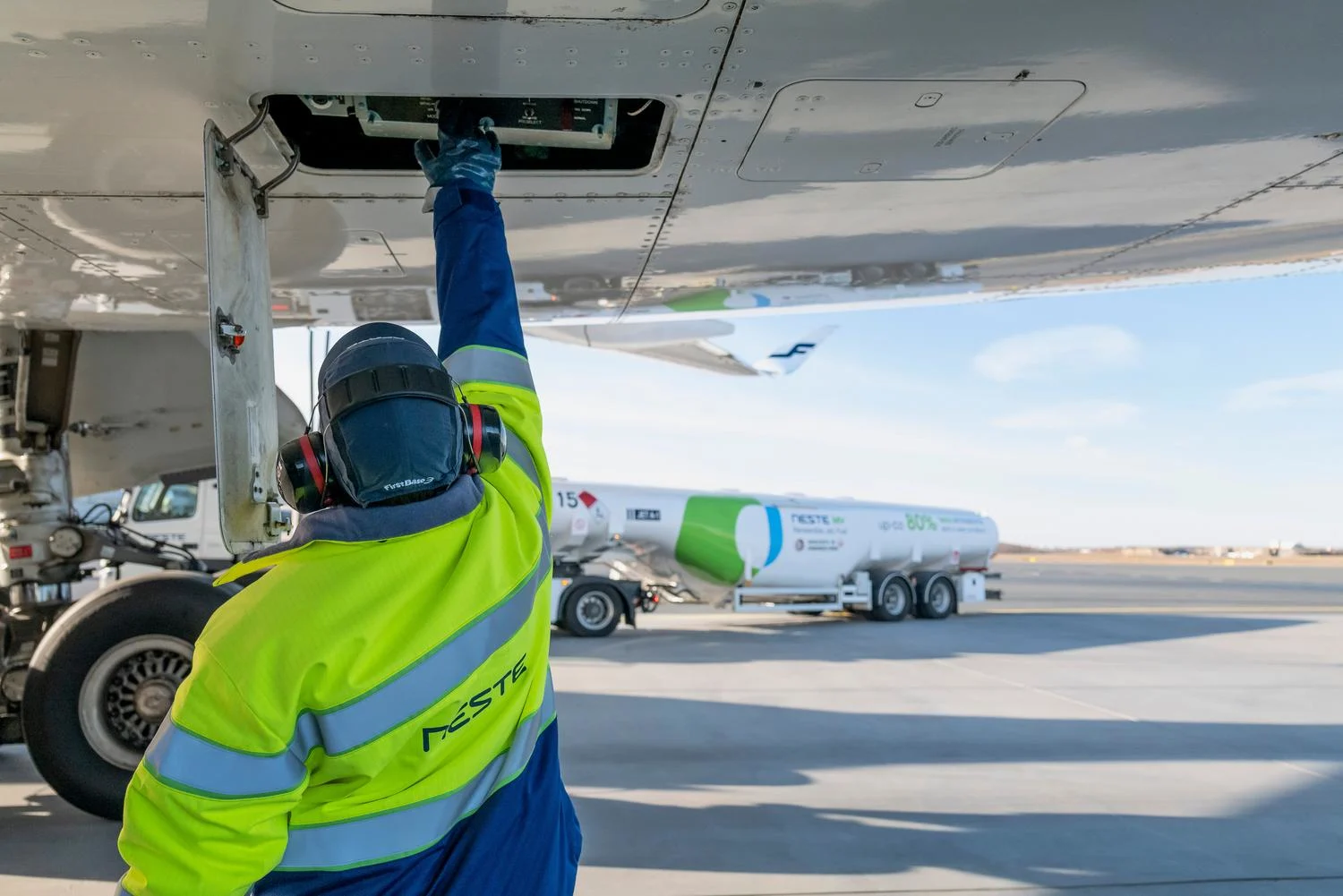

*Neat, i.e. unblended, Neste MY Sustainable Aviation Fuel fulfills the ReFuelEU Aviation criteria, including the requirement to provide at least a 65% greenhouse gas emission savings over its life cycle when compared to fossil fuel. While SAF and fossil jet fuel release similar amounts of CO2 during flight, SAF’s life cycle climate impact is smaller than fossil jet fuel’s. SAF is certified for commercial use and can currently be blended up to 50% with conventional jet fuel **When verified to fulfill the mandatory sustainability criteria in accordance with e.g. ReFuelEU, CORSIA, neat i.e. unblended SAF, provides greenhouse gas emission savings over its life cycle when compared to fossil fuel. While SAF and fossil jet fuel release similar amounts of CO2 during flight, SAF’s life cycle climate impact is smaller than fossil jet fuel’s. SAF is certified for commercial use and can currently be blended up to 50% with conventional jet fuel.