Aviation
1 minute read
A practical pathway to lower-emission aviation
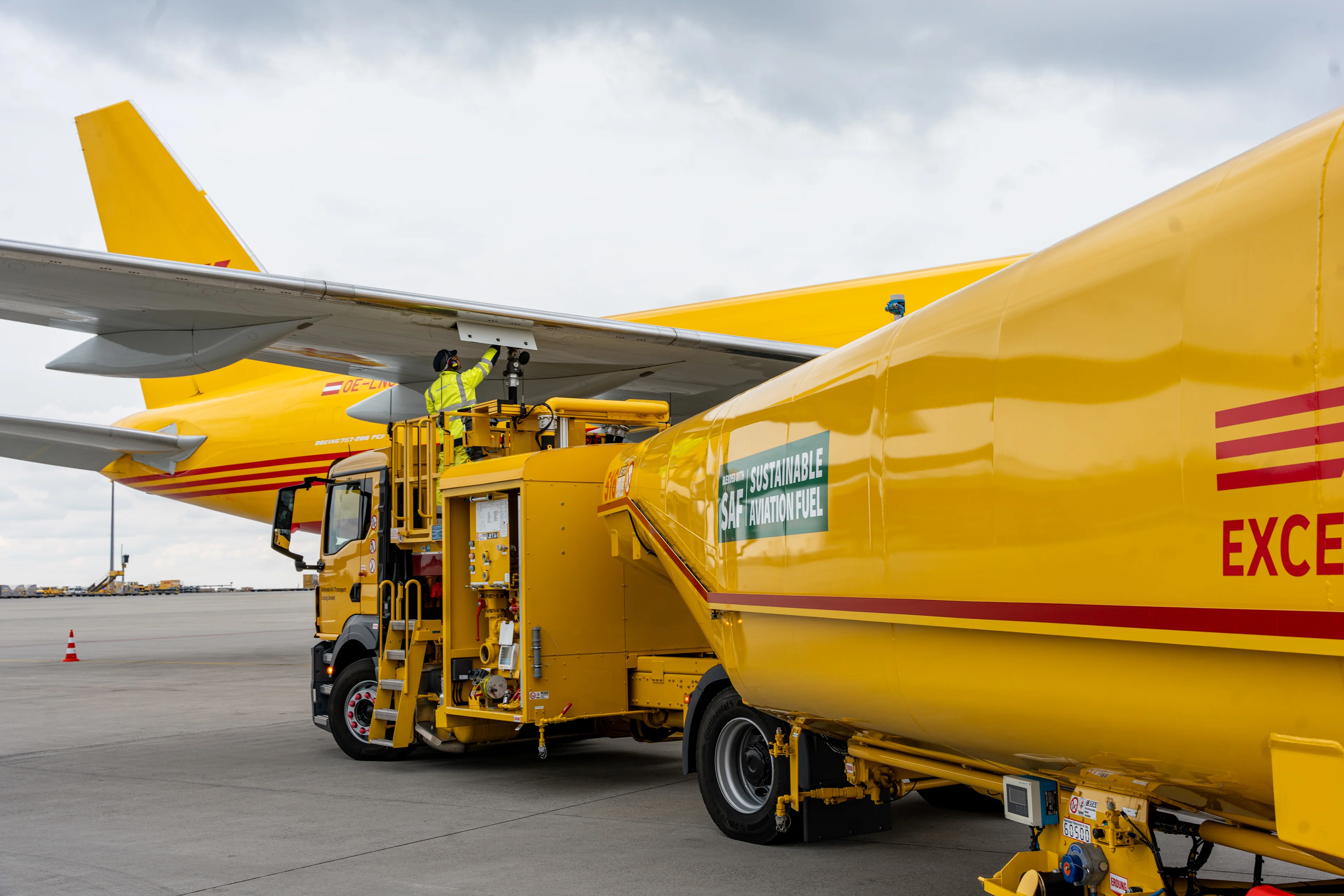
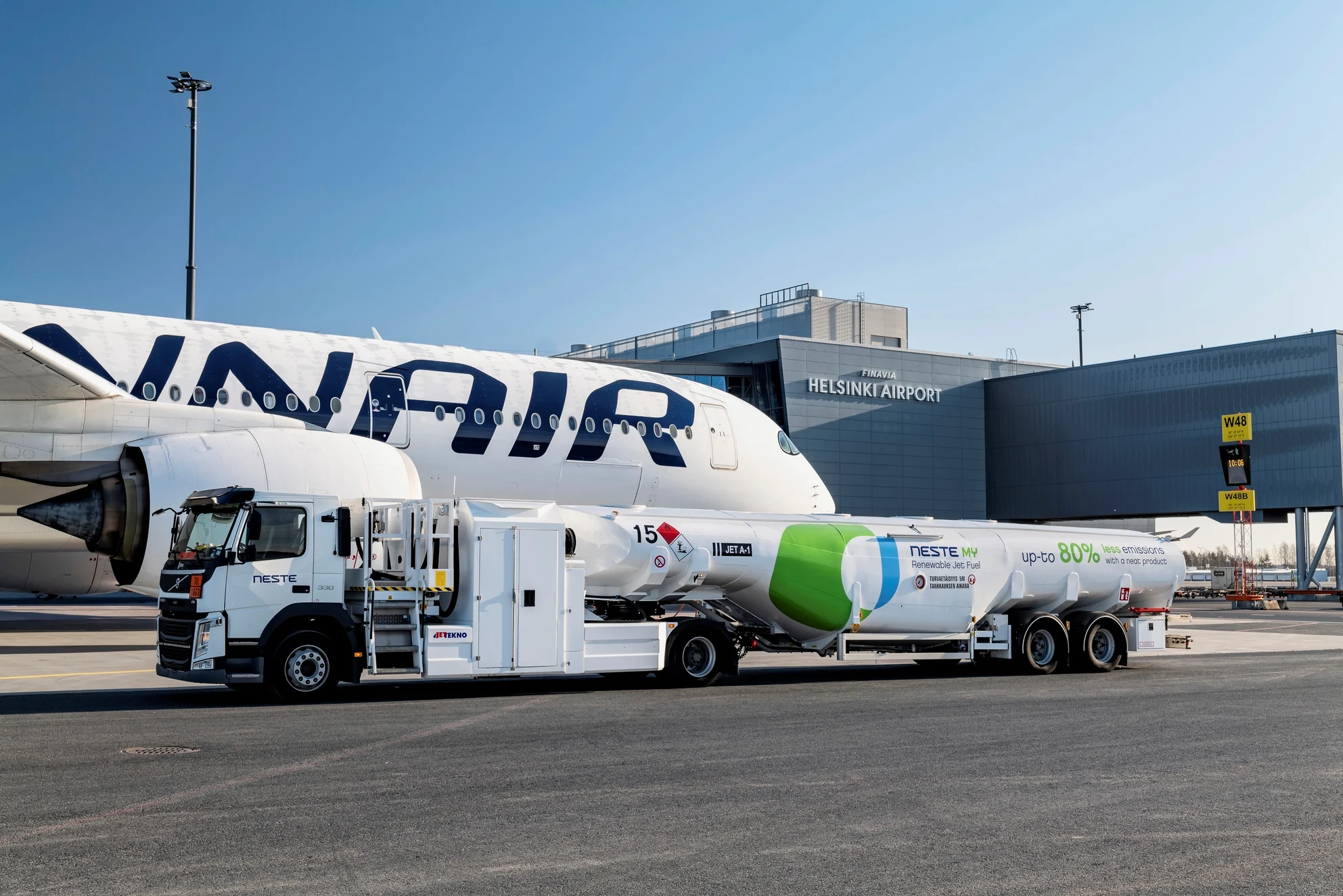
How to address emissions from business flying or air freight while maintaining global connectivity and operational continuity? Sustainable Aviation Fuel (SAF) offers a practical, drop-in solution to help reduce GHG emissions* from business travel and air freight. This whitepaper, drawing on a joint Spring 2026 market study by Finnair, Neste, and PwC Finland, explores how SAF fits into corporate climate strategies, how the use of SAF and its emission reduction impact can be documented, and how companies can actively participate in the efforts to reduce reliance on fossil fuels.

This white paper explores how companies view and address their aviation emissions:
How are emissions from flying and air freight being managed today?
What challenges do companies face when considering SAF?
What opportunities do they see in contributing to lower-GHG-emission aviation?
The findings show a clear pattern. Companies are generally positive toward SAF and recognize its potential in addressing emissions that are difficult to reduce through travel avoidance or efficiency measures alone. However, SAF adoption is still at an early stage. Companies need clearer evidence of climate impact, greater confidence in reporting and claims, and simpler ways to participate. These market realities are reflected throughout this paper.
Read more to discover all the insights!
*) When verified to fulfill the mandatory sustainability criteria in accordance with e.g. ReFuelEU, CORSIA, neat i.e. unblended SAF, provides greenhouse gas emission savings over its life cycle when compared to fossil fuel. While SAF and fossil jet fuel release similar amounts of CO2 during flight, SAF’s life cycle climate impact is smaller than fossil jet fuel’s. SAF is certified for commercial use and can currently be blended up to 50% with conventional jet fuel.