
What is Neste RE
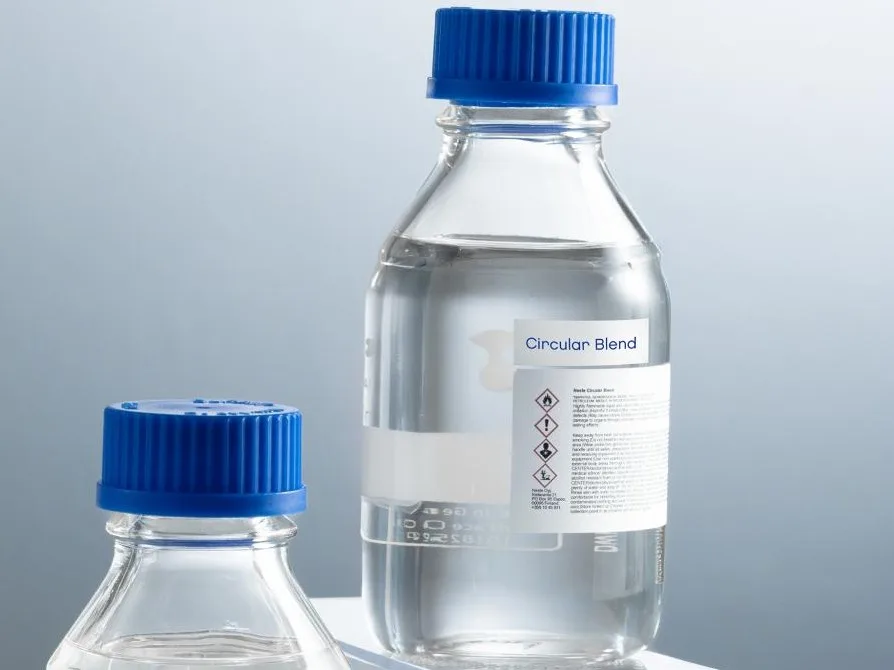
Neste RE is a renewable or recycled feedstock that replaces conventional feedstocks in polymers and chemicals production.
Neste RE enables the plastics industry to move away from fossil resources with a simple approach: If your product, like audio-visual electronic products or nylon fibers for textiles, can be made from crude oil, it can be made from Neste RE.
Petrochemicals have alternative solutions available today

Renewable raw materials
Biomass can be turned into high-quality plastics feedstock due to its high carbon content. This renewable (or “biogenic”, “bio-based”) carbon can be used in the petrochemical value chains, replacing fossil carbon. It can help companies in the plastics value chain reduce reliance on fossil resources and work towards their climate targets.

Recycled raw materials
Plastic waste is a valuable source for carbon, as well. In principle, plastics can be recycled to create new plastic products allowing us to keep the valuable carbon circulating, reducing the need for virgin fossil materials. Through chemical recycling, Neste turns challenging plastics, not suitable for mechanical recycling, into new plastic feedstock.
Produced from renewable raw materials, Neste RE tackles upstream climate impact by avoiding fossil extraction altogether.
Produced from recycled raw materials, Neste RE tackles downstream waste by keeping existing carbon circulating in a closed loop.
One solution, three technical pathways: Neste RE manufacturing and technology
Neste RE is a single, virgin-quality feedstock for polymers and chemicals used across a wide range of industries, from food packaging to automotive, electronics and construction. This high-performing, drop-in solution is created using three distinct production pathways – Renewable Neste RE, Co-processing, and Recycled Neste RE – allowing customers to choose the feedstock that best fits their manufacturing infrastructure and climate targets without compromising on product quality.
Pathway 1: Renewable Neste RE
Utilizing our proprietary NEXBTL™ technology, we convert bio-based raw materials (such as used cooking oil) into pure hydrocarbons. Neste’s drop-in solution is ideal for applications aiming for lower GHG emissions. The impact: Neste RE™ made from renewable raw materials can help reduce GHG emissions by over 85%* over its lifecycle compared it to its equivalent fossil-based product.
Pathway 2: Co-processing
Renewable raw materials are processed in our existing conventional refinery processes alongside crude oil. We attribute the renewable biomass content to Neste RE through a certified mass balance approach. This pathway offers drop-in products for our customers while scaling up renewable alternatives to fossil-based products.
Note: Mass balance attribution of the renewable content.
Pathway 3: Recycled Neste RE
Pressing the "reset button" on plastic waste that is difficult to recycle mechanically. Liquefied oil from hard-to-recycle waste plastic streams – such as multi-layer packaging, mixed plastic waste, and contaminated plastics – are chemically recycled and upgraded to virgin-quality feedstock for new plastics. The impact: Neste RE™ made from recycled raw materials can help reduce virgin fossil resource consumption by over 70%** (fossil abiotic depletion).
We enable the scale-up of chemical recycling by upgrading liquefied plastic waste. Thanks to our new facility, even hard-to-recycle plastic waste can be upgraded to meet the feedstock quality requirements of companies manufacturing high-quality plastics.
* Life Cycle Assessment on Environmental Impacts of Neste Renewable Polymers and Chemicals (30 June 2021)
** Life Cycle Assessment on Environmental Impacts of Chemical Recycling of Waste Plastic - Case Neste (October 2022).